

Rammed Earth
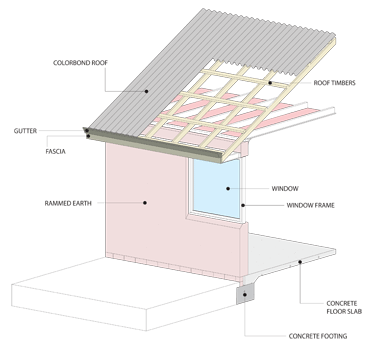
This is produced using a mix of soil and cement to obtain an impervious wall. It is built onsite, using formwork to hold the compacted material while it hardens. It is a single layer impervious wall. Although it sounds environmentally positive there are some real issues.
Because of the high level of mass and the direct contact with the external environment, stored heat or cold will be transmitted to the internal environment. Sun contact on a wall will heat the wall up and it will maintain the warmth. This will then be transmitted internally. An unsatisfactory outcome in summer.
It is common practice to provide weather protection by the use of verandahs. Like brick construction internally, it can moderate internal temperatures if used internally.
You may also like
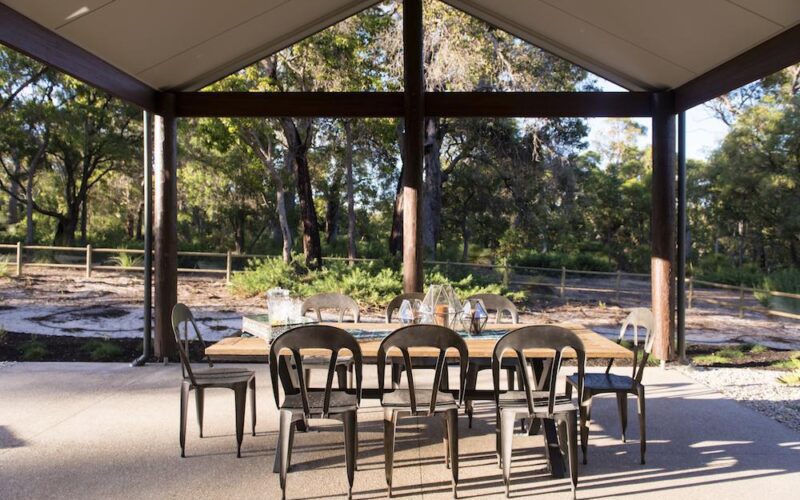
Australian bushfire protection advice for your Rural home
Protect your home from potential damage During summer the risk of bush fires drastically increases. Even if you don’t live in a high risk area it is always a good idea to protect your home from potential damage. Please have a read of the following Australian bushfire protection advice ...
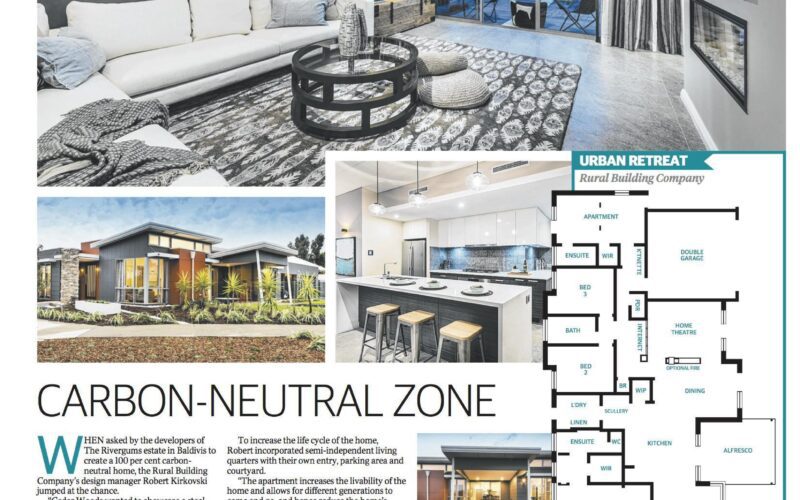
Carbon-neutral zone
The Urban Retreat is a chameleon to the needs of a modern day family with efficient use of space and forward thinking design methods. From the outstanding elevation and skillion roof the Rural Building Company is renowned for, to the multi generational floorplan, the design will be at equally at ...
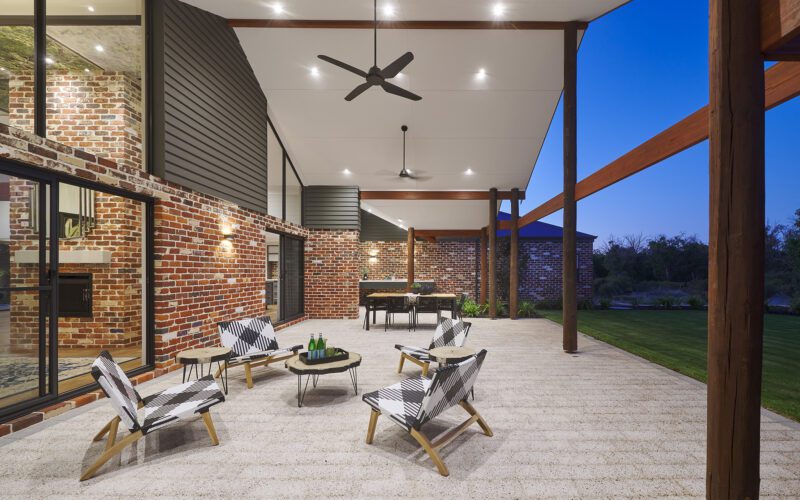
What does work-life balance look like?
Less doing, more just being. Building a home in the country or by the coast is the perfect opportunity to define what a healthy work-life balance might look like for you. If 2020 got you thinking about re-balancing things, you’re not alone. As a result of the pandemic, more ...