



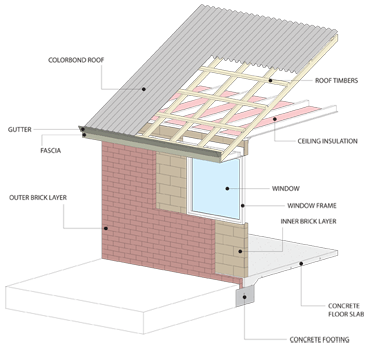
Double Clay Brick and Slab on Ground
Double Clay Brick and Slab on Ground is the most conventional method of construction in WA. There is a cavity between the outside layer of brick and the inside layer so that moisture doesn’t penetrate into the home. The external layer is either in a face brick or can be a utility brick that is rendered. The internal walls utilise a utility brick that is either rendered and then plastered, or it can be lined using a lining board.
The advantages are that it could be considered the most efficient method of construction in the soil and climactic conditions of the sand plain coastal regions of Western Australia. It is extremely durable requiring very little maintenance. The mass of the brickwork helps moderate the internal temperature of the dwelling in conjunction with the slab on ground. This really means the house will tend to hold the heat in winter and keep the house cooler in summer.
You may also like
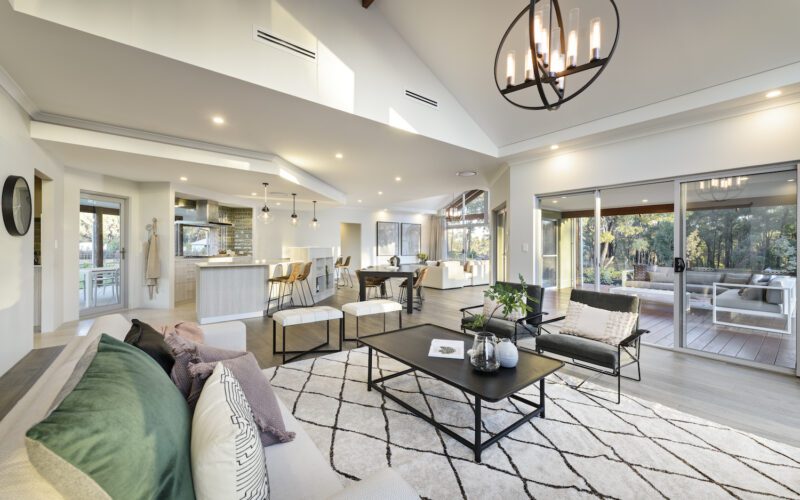
10 Home Design Tips for a Rural View
Take full advantage of your view If you’ve invested in a block with a glorious view, it makes sense to look for a house design that allows you to enjoy that view as much as possible, indoors and out. But what should you look for when it comes to ...
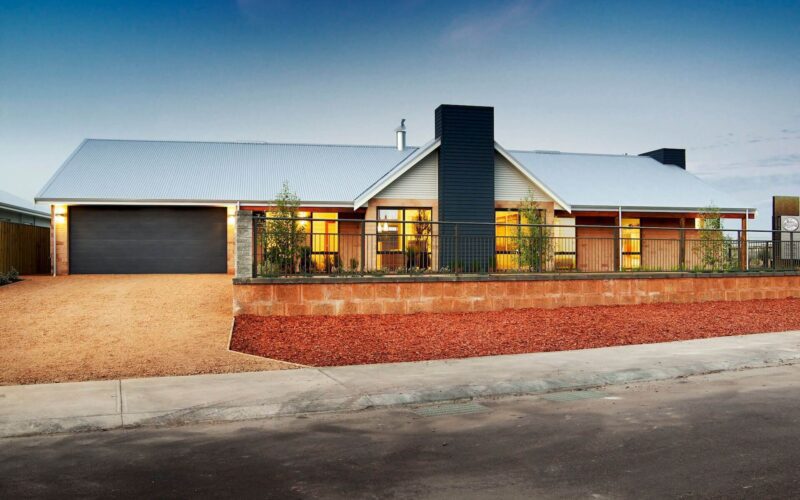
Rainwater tanks for your rural home
Reduce your mains water use Rainwater tanks are used to collect and store rainwater runoff typically from rooftops. Rainwater tanks are installed to store rainwater for later use and to reduce the mains water use for economic and environmental reasons. Stored water may be used for watering gardens, agriculture, flushing ...
Our Site Supervisor’s top tips for visiting display homes
Your Site Supervisor plays a very important role in the costruction of your new home. They oversee the construction activities that take place on your work site and will be involved in the supervision of subcontractors and trades. All work crews and individuals on site will take their direction from ...