

Australian bushfire protection advice for your Rural home
Protect your home from potential damage
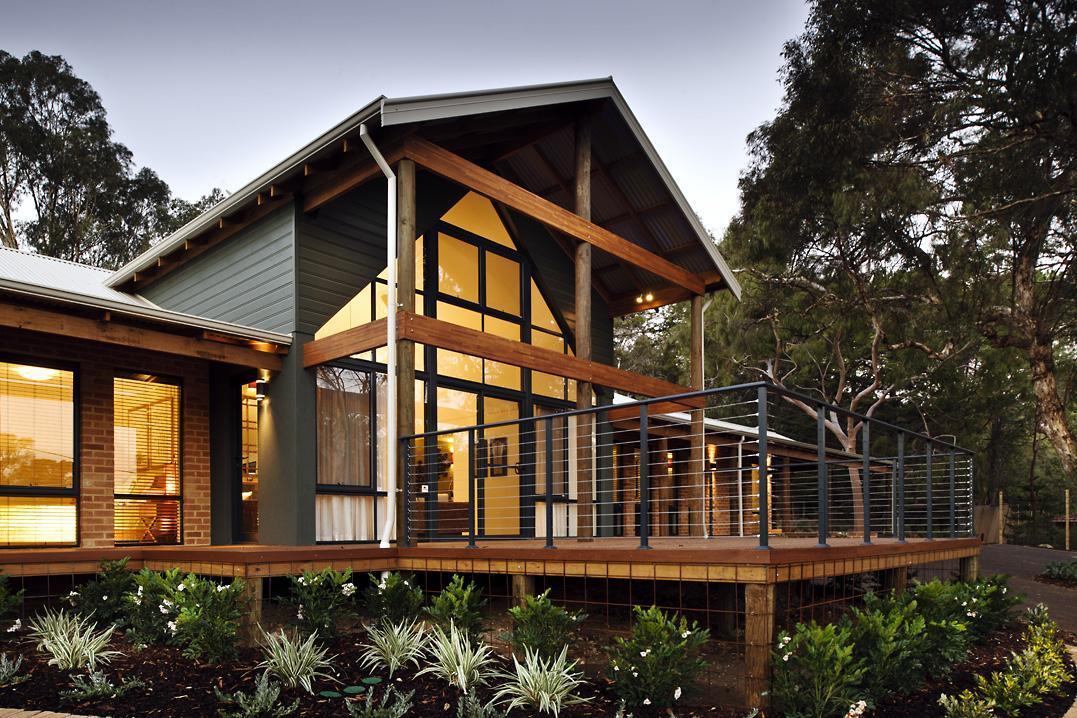
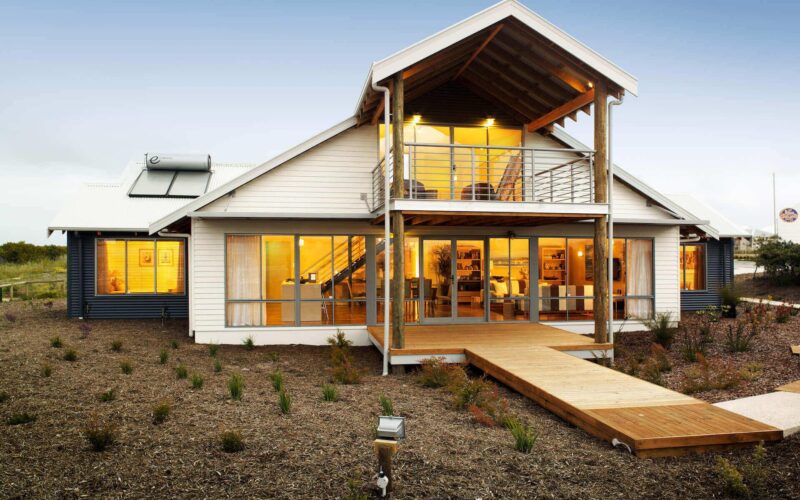
During summer the risk of bush fires drastically increases. Even if you don’t live in a high risk area it is always a good idea to protect your home from potential damage. Please have a read of the following Australian bushfire protection advice for your Rural home:
1. Check if all of your fire alarms are working around the house. The DFES recommends that home owners check their alarms monthly and replace the batteries annually.
2. Maintain your guttering. It is important to constantly clean out your gutters to reduce the risk of build up which will spread the fire rapidly.
3. Seal all your windows and doors. By sealing your home properly it greatly reduces the risk of embers entering causing more damage.
4. Maintain your garden. It is recommended that you keep your garden and lawn moist with waste water, mulch and ground cover to reduce the risk of fire spreading. Install a fire-resistant sprinkler system.
5. Remove all flammable foliage. When maintaining your garden it is important to remove any sick or dying trees and plants, they can be highly flammable in the event of a fire.
6. Check the water hoses. Ensure that they are accessible and can reach every part of your house.
7. Identify any potential risks around the house. Check things such as; external vents, skylights, chimneys, gutters, under floor spaces and the condition of your roof covering, replacing any damaged or missing roof tiles.
8. Always be aware of any high risk fire days. You can keep up to date with this on www.emergency.wa.gov.au
For more information on how to protect your house from bushfires please visit www.dfes.wa.gov.au
You may also like
The building process guide
Understanding your building journey Part of the building process is to meet new people along the way. At The Rural Building Company there is approximately 35 staff including construction supervisors, new homes consultants through to drafting and estimating. When building with The Rural Building Company, at one stage or another they ...
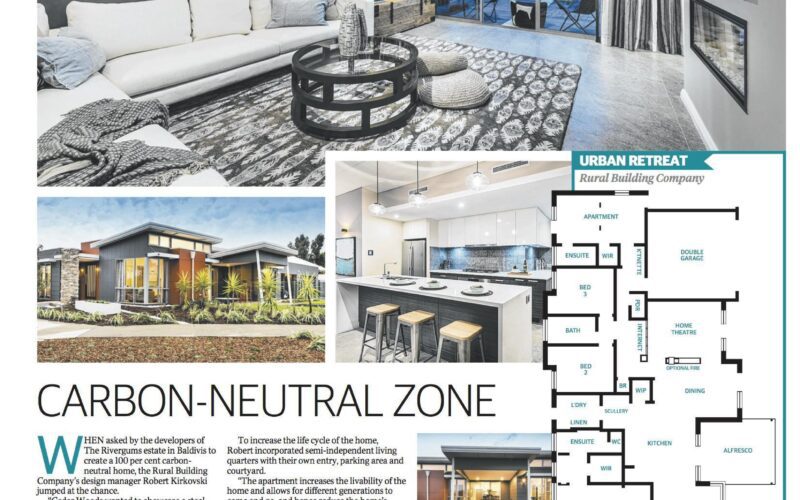
Carbon-neutral zone
The Urban Retreat is a chameleon to the needs of a modern day family with efficient use of space and forward thinking design methods. From the outstanding elevation and skillion roof the Rural Building Company is renowned for, to the multi generational floorplan, the design will be at equally at ...
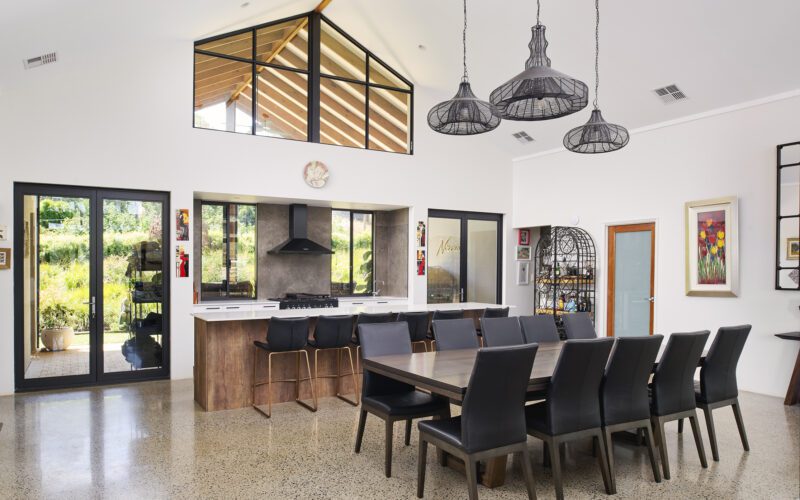
Modern Country House Design: Blending Classic Rural with Contemporary Elements.
Comfortable elegance and natural elements Demonstrating The Rural Building Company’s nous for holistic homebuilding, this custom country house design and build encapsulates the ethos of the client’s lifestyle aspirations. The Rural Building Company Principal Designer Robert Kirkovski said the brief was to create an escapist retreat to embrace ...