

What is greywater?
Grey water is the waste water stream from all sources other than the toilet and kitchen because this water contains sewage, oil, fats and food scraps which will not break down easily and will cause blockage in filters and pipes. Most houses can easily re-use Greywater from their laundry’s and bathrooms to water the garden.
On average an Australian household will use 700-800 litres of water per day. This equals about 300,000 litres of water a year, and 40% of that use is on gardens. Water is a very valuable, scarce resource in Western Australia, this is why any endeavour to reduce freshwater consumption or to reduce wastewater disposal is encouraged.
What do you need to know about Greywater?
- Any Greywater system must be approved by your local government and a licenced plumber is required to make any changes to the sewer system
- The Greywater needs to first pass through a filter and/or settling tank before reuse. The filter will remove any coarse materials (i.e. hair, soap, sand)
- Greywater cannot be used to water root-crop vegetables (i.e. carrots) but can be used on above ground food and fruit crops, lawn and other plants.
- An overflow safety device and diverter valve needs to be installed to divert Greywater back into the sewer line or into a wastewater treatment system.
You may also like
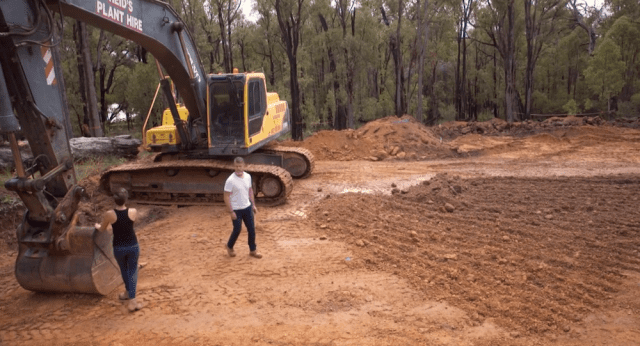
Siteworks Explained
You’ve heard the stories. The house design. Perfect. The house price, spot on. The site works. A lot more than expected. Wait. What? What are these site works? And why am I paying this much for dirt to be pushed around on my block? You wouldn’t be alone ...
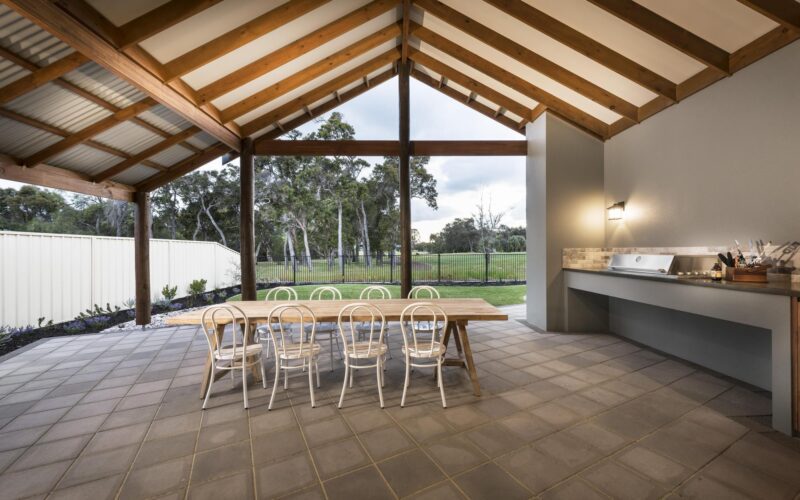
The ultimate alfresco: Outdoor entertaining
Our guide to designing an alfresco area So you like to entertain? More and more households are moving their living rooms outside, so why not make sure you do it the right way. Outdoor entertaining is part of the Australian lifestyle, so here is our guide to designing the ultimate ...
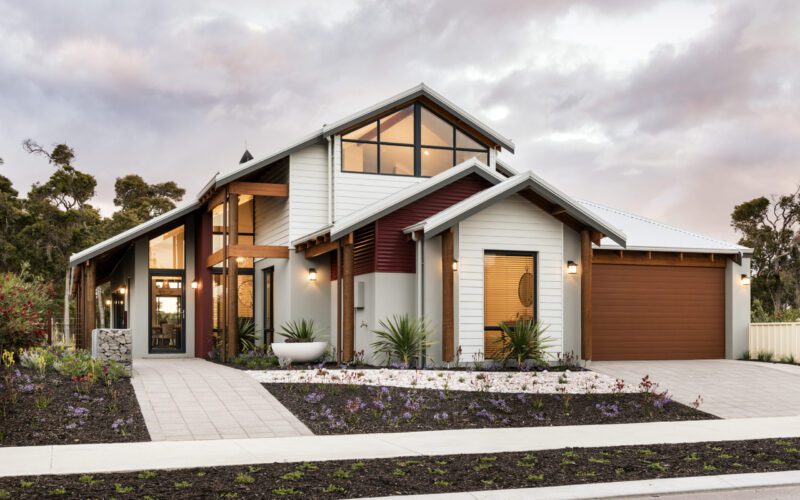
Why build your new home with The Rural Building Company?
Choosing a builder Have you decided to build a new home? Now, to make your building journey an enjoyable one, you need to find the right builder! Here are our top four reasons as to why we believe you should build your dream home with The Rural Building Company. &...