


Double Clay Brick and Slab on Ground
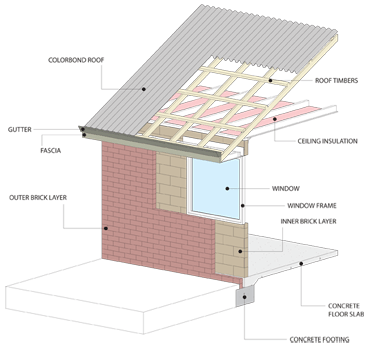
Double Clay Brick and Slab on Ground is the most conventional method of construction in WA. There is a cavity between the outside layer of brick and the inside layer so that moisture doesn’t penetrate into the home. The external layer is either in a face brick or can be a utility brick that is rendered. The internal walls utilise a utility brick that is either rendered and then plastered, or it can be lined using a lining board.
The advantages are that it could be considered the most efficient method of construction in the soil and climactic conditions of the sand plain coastal regions of Western Australia. It is extremely durable requiring very little maintenance. The mass of the brickwork helps moderate the internal temperature of the dwelling in conjunction with the slab on ground. This really means the house will tend to hold the heat in winter and keep the house cooler in summer.
You may also like
The Finishing Touch: Choosing the Right Tapware for Your New Home
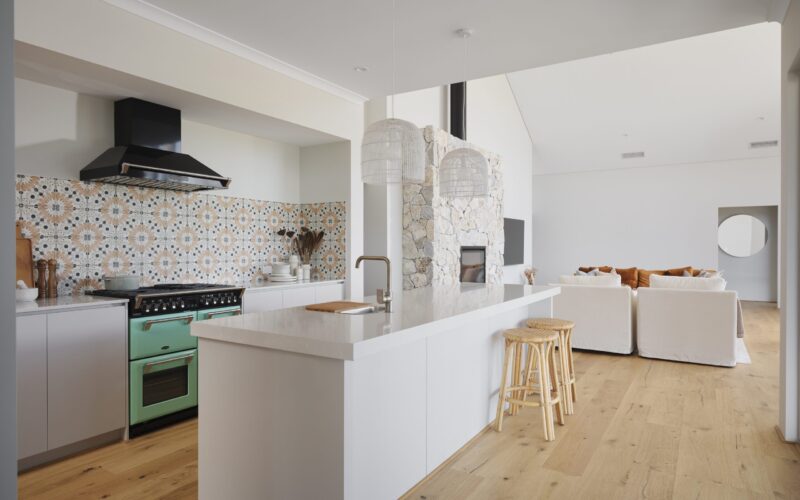
Building a home that reflects your family and your personal style comes with a host of design decisions. While it may seem like one of the smaller elements of a house, tapware is important for both design and function. The right tapware can help shape the style of your space ...
Why build your new home with The Rural Building Company?
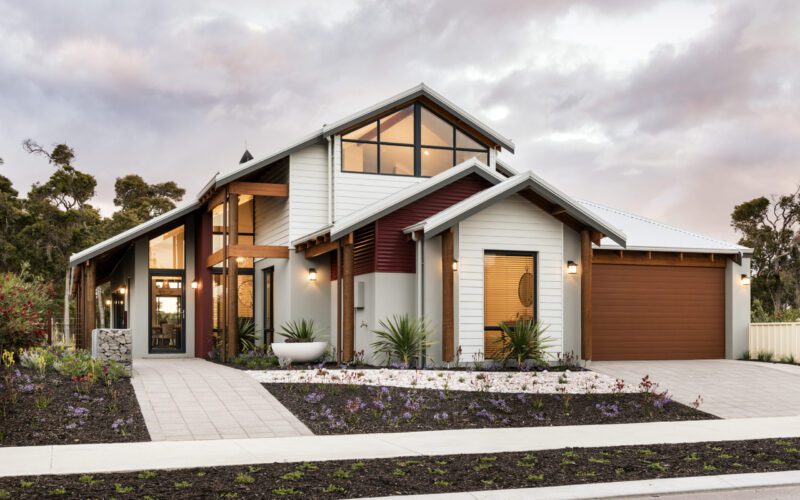
Choosing a builder Have you decided to build a new home? Now, to make your building journey an enjoyable one, you need to find the right builder! Here are our top four reasons as to why we believe you should build your dream home with The Rural Building Company. &...
Delays when building
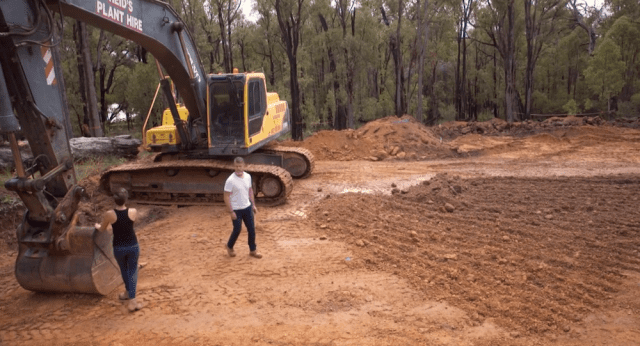
When building a new home, we understand that you will be excited to see the finished product. The quickest way to get to see your new home is to have people working on it every workday. However there are a number of unavoidable delays that can influence the construction ...